The Role of Truck Transportation in Construction and Infrastructure Projects
Construction and infrastructure projects depend on the timely movement of materials, equipment, and supplies. From residential developments to commercial buildings, roads, factories, and large infrastructure projects, transportation plays an important role in keeping work progressing.
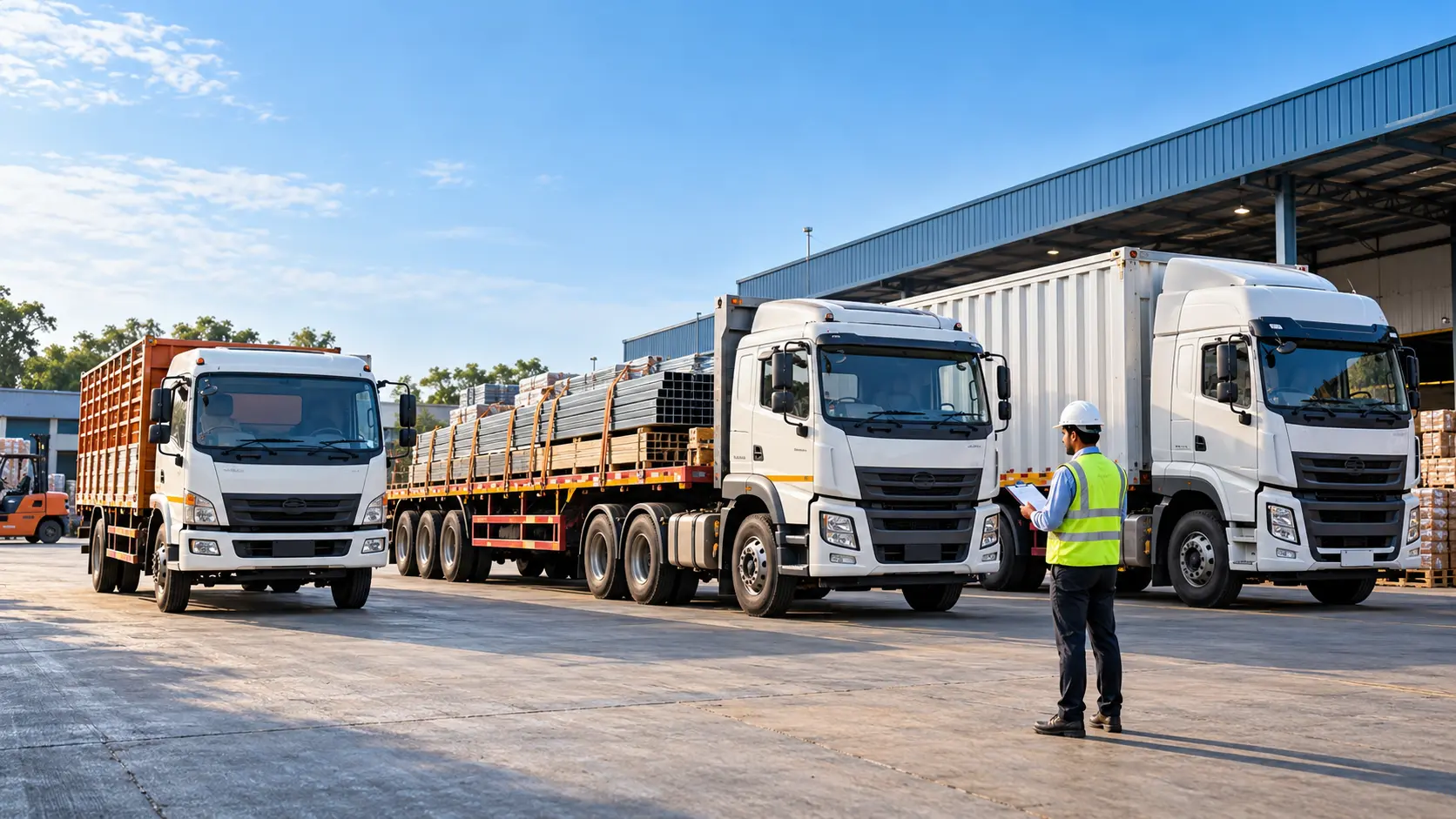
Truck transportation connects suppliers, warehouses, manufacturing facilities, and construction sites, helping essential materials reach their intended destinations.
Moving Essential Construction Materials
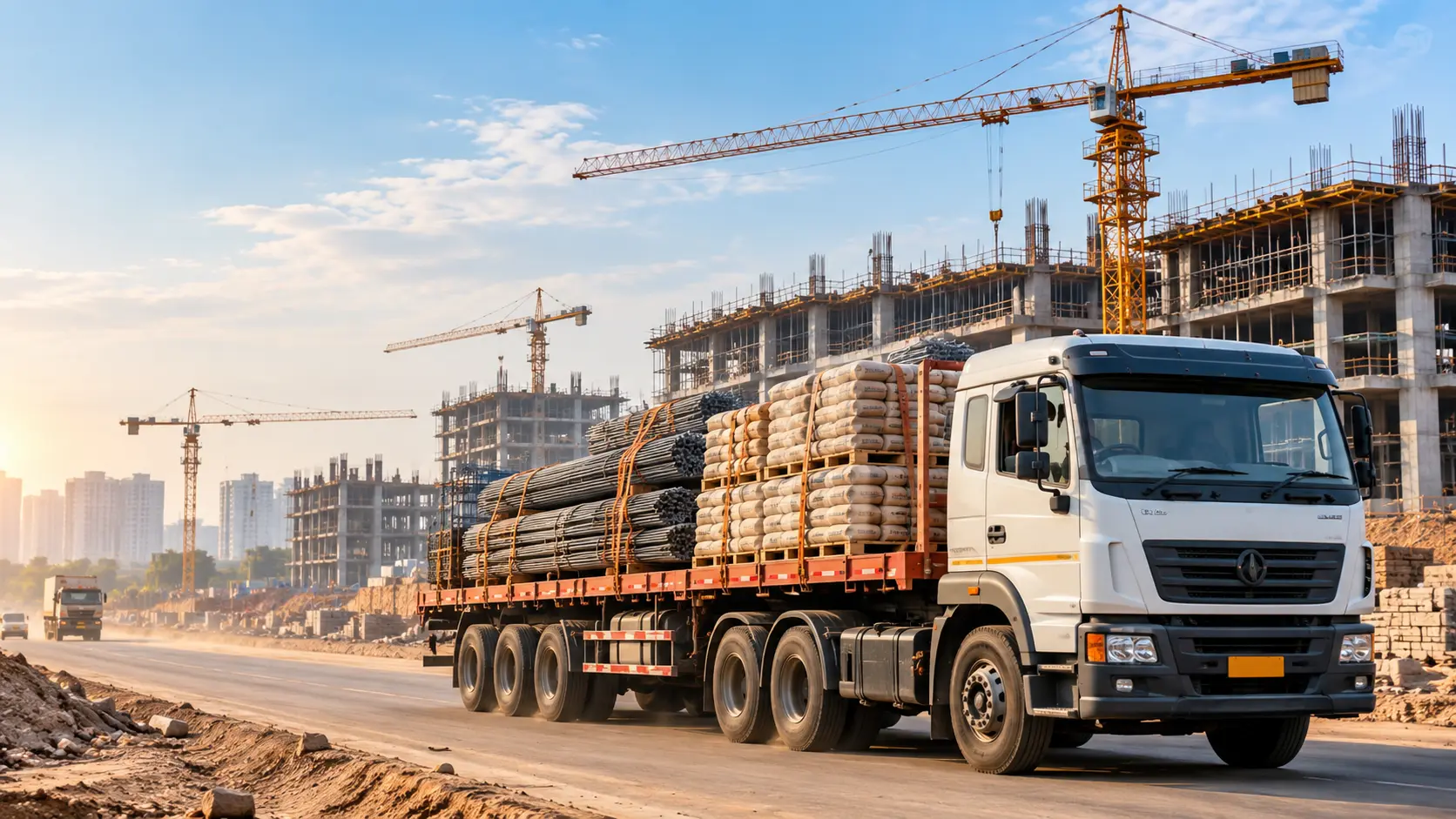
Construction projects require a wide range of materials, including cement, steel, bricks, sand, pipes, electrical supplies, and structural components.
These materials often need to be transported from different suppliers to a single project location. Proper transportation planning helps coordinate deliveries and ensures that the required materials arrive when needed.
Supporting Project Schedules
Construction activities often follow a planned sequence. If essential materials arrive late, subsequent activities may also be delayed.
Coordinating vehicle availability, dispatch schedules, delivery locations, and unloading arrangements helps construction teams plan their operations more effectively.
Transporting Heavy and Oversized Materials
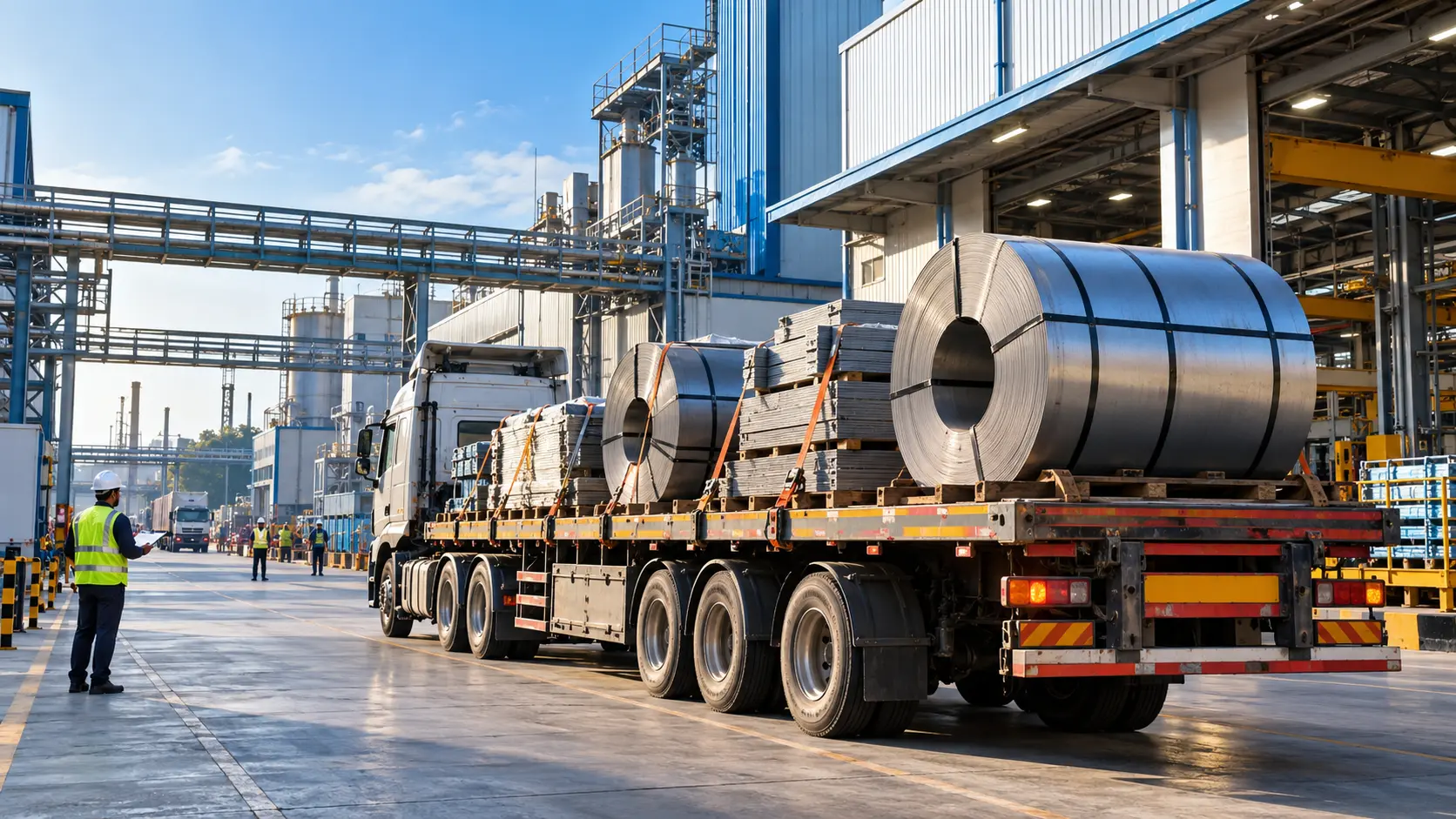
Certain construction and infrastructure projects require the movement of heavy equipment, steel structures, industrial components, or long materials.
These shipments may require specialised vehicles, appropriate load-securing arrangements, route assessments, and any applicable transport permissions. Selecting the right vehicle is essential for safe and compliant transportation.
Managing Multiple Delivery Locations
Large projects may operate across several sites, sometimes in different cities or industrial areas. Businesses may need regular deliveries to multiple locations, each with different access conditions and delivery schedules.
A coordinated truck transportation service can help simplify vehicle allocation and delivery planning.
Improving Material Movement Efficiency
Effective logistics planning considers the quantity of materials, vehicle capacity, loading time, route conditions, and unloading availability. Better coordination can reduce unnecessary waiting and improve the use of available transportation resources.
Conclusion
Truck transportation is an essential part of construction and infrastructure logistics. Reliable vehicle arrangements help businesses move materials between suppliers, warehouses, and project sites while supporting organised project planning.
For construction companies, contractors, infrastructure developers, and material suppliers, choosing suitable transportation services can make material movement easier to coordinate.
Planning a construction material shipment? Get in touch with our team to discuss your vehicle requirements, cargo details, and delivery locations.
Related Post